Sustainable Hardscaping: Merging Aesthetic Appeal with Environmental Responsibility Jul 01, 2026
Incorporating sustainable practices into your hardscaping design can seem daunting, but understanding the key principles can make the process both feasible and rewarding. Start by considering the materials you plan to use. Opt for locally sourced, recycled, or repurposed materials. These not only reduce the environmental impact but often add unique character to your landscape. Stone, reclaimed wood, and recycled concrete are excellent options that offer durability with an eco-friendly twist.
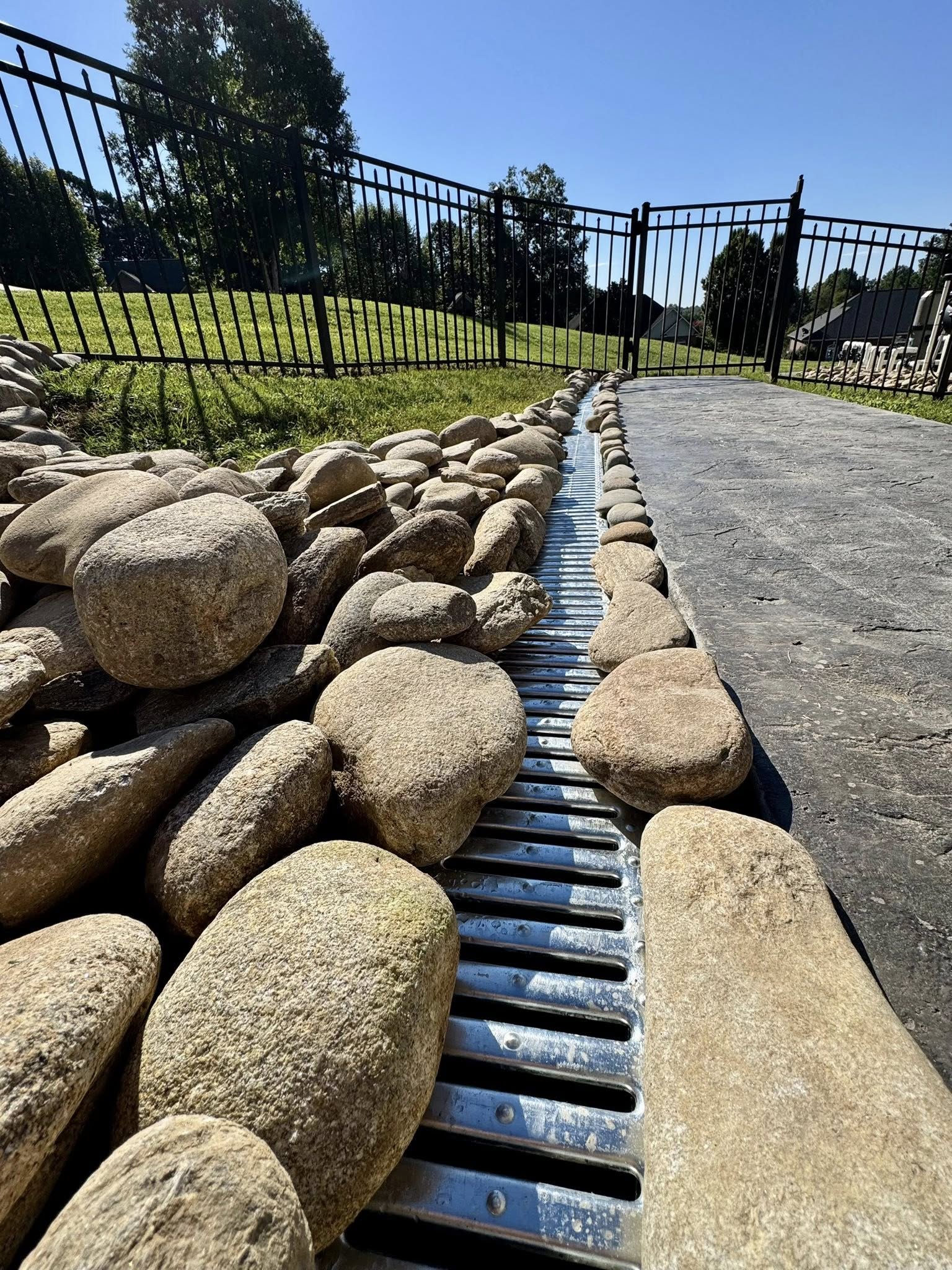
Water management is another essential aspect of sustainable hardscaping. At Quartz Creek, we emphasize the importance of efficient water use. Implementing permeable paving can significantly improve stormwater management by allowing rainfall to seep directly into the ground. This reduces runoff, minimizes erosion, and helps recharge local aquifers. Consider also integrating features like rain gardens or bioswales that can naturally capture and filter rainwater, benefiting your garden while promoting cleaner local waterways.
Energy efficiency should not be overlooked when planning your hardscape. Opt for LED or solar-powered outdoor lighting solutions. These energy-saving choices can dramatically reduce your electricity consumption while providing the necessary illumination for safety and ambiance. Incorporating wind or sun shelters can also help modulate outdoor temperatures, creating a comfortable environment without excessive use of energy-consuming appliances.
Beyond materials and water management, maintaining a balance between hardscaping and softscaping, such as plants and greenery, is vital. Native plants particularly thrive in their natural environment, require less maintenance, and support local biodiversity. Integrating these with your hardscape elements ensures a harmonious and sustainable landscape design. Native plants are adapted to the local climate, which means they require less watering and care, aligning perfectly with sustainability goals.
For those eager to take sustainable hardscaping to the next level, consider using a green roof or living wall. These innovative solutions can significantly increase thermal insulation and aesthetic value, reduce energy costs, and provide a habitat for wildlife. They add a striking visual component to any hardscape while offering numerous environmental benefits.
Safe installation and ongoing maintenance play crucial roles in the longevity and sustainability of your hardscaped area. Choose a professional service like Quartz Creek, where experts ensure your vision is executed with precision and environmental sensitivity. Regular maintenance, such as sealing your surfaces and assessing for erosion, keeps your hardscaping features functional and beautiful year-round.
In conclusion, sustainable hardscaping solutions not only create visually appealing outdoor spaces but also contribute positively to the environment. By choosing materials wisely, managing water responsibly, balancing hard and soft elements, and investing in professional services, you can achieve a sustainable landscape that meets both personal and ecological needs. At Quartz Creek, our commitment is to provide clients with innovative, environmentally conscious designs that respect nature and enhance your living space. Your outdoor area can transform into a testament of beauty and sustainability, benefiting you and the planet alike.
/filters:no_upscale()/filters:format(webp)/media/78911e56-4592-4803-8ea7-3a1ee2ead6bc.jpeg)
/filters:no_upscale()/filters:format(webp)/media/06307680-1faf-4c6d-9534-fff3cba72fc1.jpeg)