Designing Wildlife-Friendly Gardens: Landscaping with Nature in Mind Jul 01, 2026
To start designing a wildlife-friendly garden, it's essential to understand the specific needs of the local wildlife. Researching native plant species is crucial, as these plants are most likely to attract and support local flora and fauna. Native plants provide essential food sources and habitat for birds, bees, and butterflies. Additionally, because they are adapted to the local climate, native plants require less maintenance and are more resistant to pests.
A diverse selection of plants will help create a balanced ecosystem. By planting a variety of trees, shrubs, and flowers, you offer different layers of habitat and food sources. This not only benefits wildlife but also adds interest and diversity to your garden. Mix evergreens and deciduous trees in your landscape design to provide year-round shelter. Consider berry-producing shrubs or plants with nectar-rich flowers to provide abundant food sources throughout the seasons.
Water is a critical resource for wildlife, so integrating a water feature can significantly enhance your garden's appeal to wildlife. A simple birdbath can suffice, or if space and budget allow, consider incorporating a small pond. Ensure that any water feature is safe for wildlife by including shallow areas and escape routes for small creatures.
Using environmentally friendly landscaping practices is another way to ensure your garden is welcoming to wildlife. Implementing organic gardening techniques, such as avoiding chemical pesticides and fertilizers, protects both plant and animal life. Mulching around plant bases conserves moisture and provides habitats for insects and small creatures.
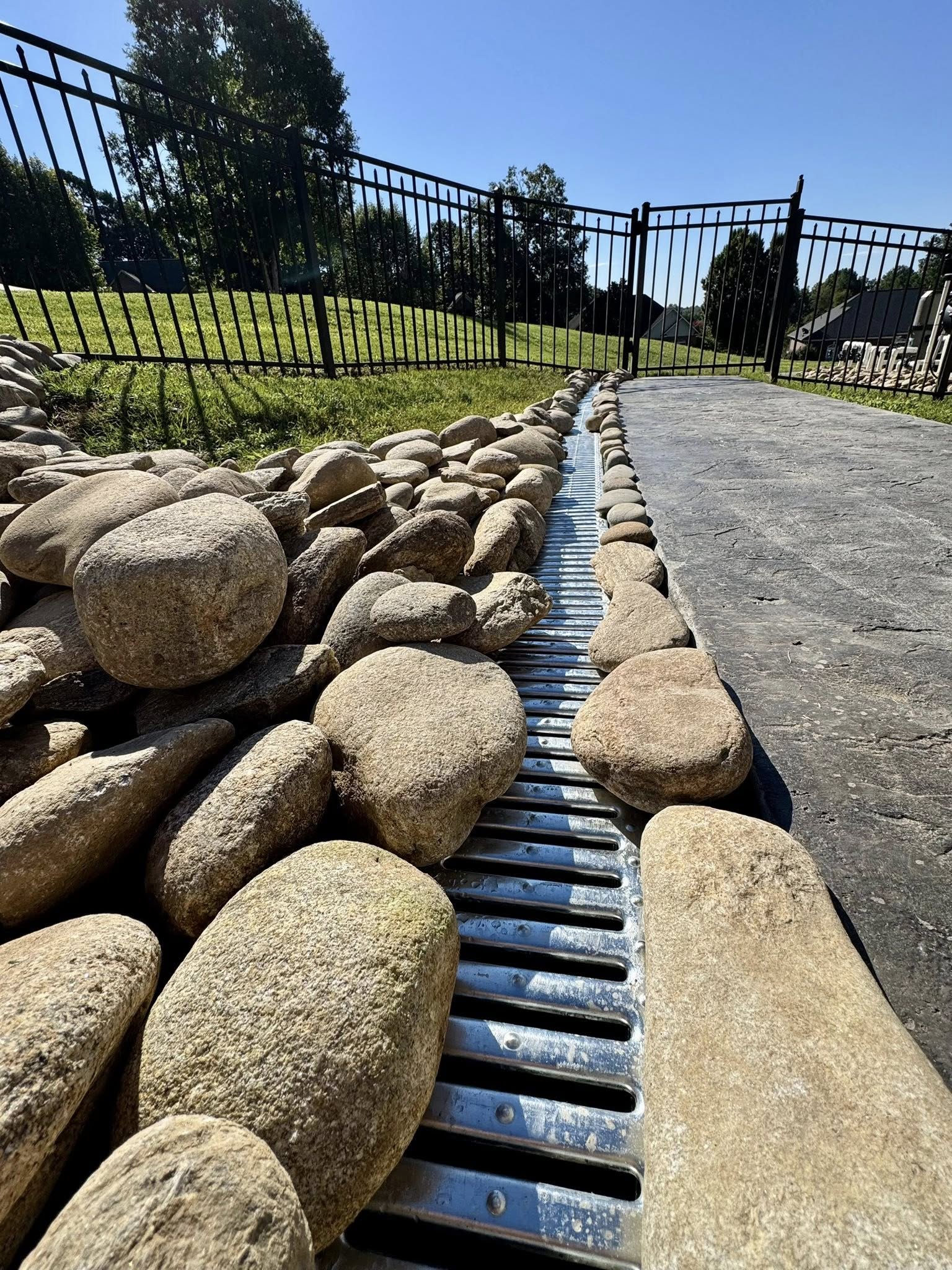
An often-overlooked element in wildlife-friendly garden design is the use of hardscaping. Paths, patios, and rocks can provide shelter and basking spots for various animals. Utilize natural materials like stone and untreated wood, which blend well with natural surroundings and do not harm the environment. Consider permeable paving options, which help manage stormwater runoff and improve habitat quality.
It is important to provide cover as well. Creating brush piles or using plant clippings can offer essential hiding spots and nesting material for birds and small mammals. Install birdhouses or bat boxes to encourage specific species to take residence in your garden.
Regular maintenance of your wildlife-friendly garden is important but should be done thoughtfully to minimize disruption to the animals living there. Pruning should be done outside of the nesting season, and fallen leaves can be left in place over winter to provide habitat for overwintering insect species.
Transitioning your garden to a wildlife-friendly space can seem daunting at first, but with thoughtful planning and implementation, you can create a backyard oasis that supports and enhances local biodiversity. At Quartz Creek, our landscaping experts are here to assist you every step of the way, ensuring your garden not only meets your aesthetic expectations but becomes a thriving sanctuary for nature.
By embracing environmentally conscious landscaping strategies, you can enjoy a garden that is both beautiful and beneficial to the wider ecosystem. Take the first step towards a wildlife-friendly garden, and make a positive impact on your local environment today.
/filters:no_upscale()/filters:format(webp)/media/78911e56-4592-4803-8ea7-3a1ee2ead6bc.jpeg)
/filters:no_upscale()/filters:format(webp)/media/06307680-1faf-4c6d-9534-fff3cba72fc1.jpeg)