Crafting Biodiverse Landscapes: Enhancing Ecosystems in Your Own Backyard Jun 07, 2026
The first step in developing a biodiverse landscape is understanding the ecological and climatic conditions of your area. Before embarking on any landscaping endeavor, take time to research native plants and the types of wildlife that exist in your local ecosystem. This knowledge will guide your plant choices, ensuring that you introduce species that will thrive with minimal maintenance and naturally support local fauna. Native plants are crucial as they provide nectar, seeds, and shelter essential for sustaining local bird and insect populations.
Incorporating a variety of plant species is key to supporting broader biodiversity. Consider using a mix of trees, shrubs, perennials, and groundcovers. This diverse plant palette not only creates visual interest but also offers multiple layers of habitat for different species. For instance, trees can serve as nesting sites for birds, while shrubs offer shelter for small mammals. Groundcovers and flowering perennials attract pollinators like bees and butterflies, essential for garden health and productivity.
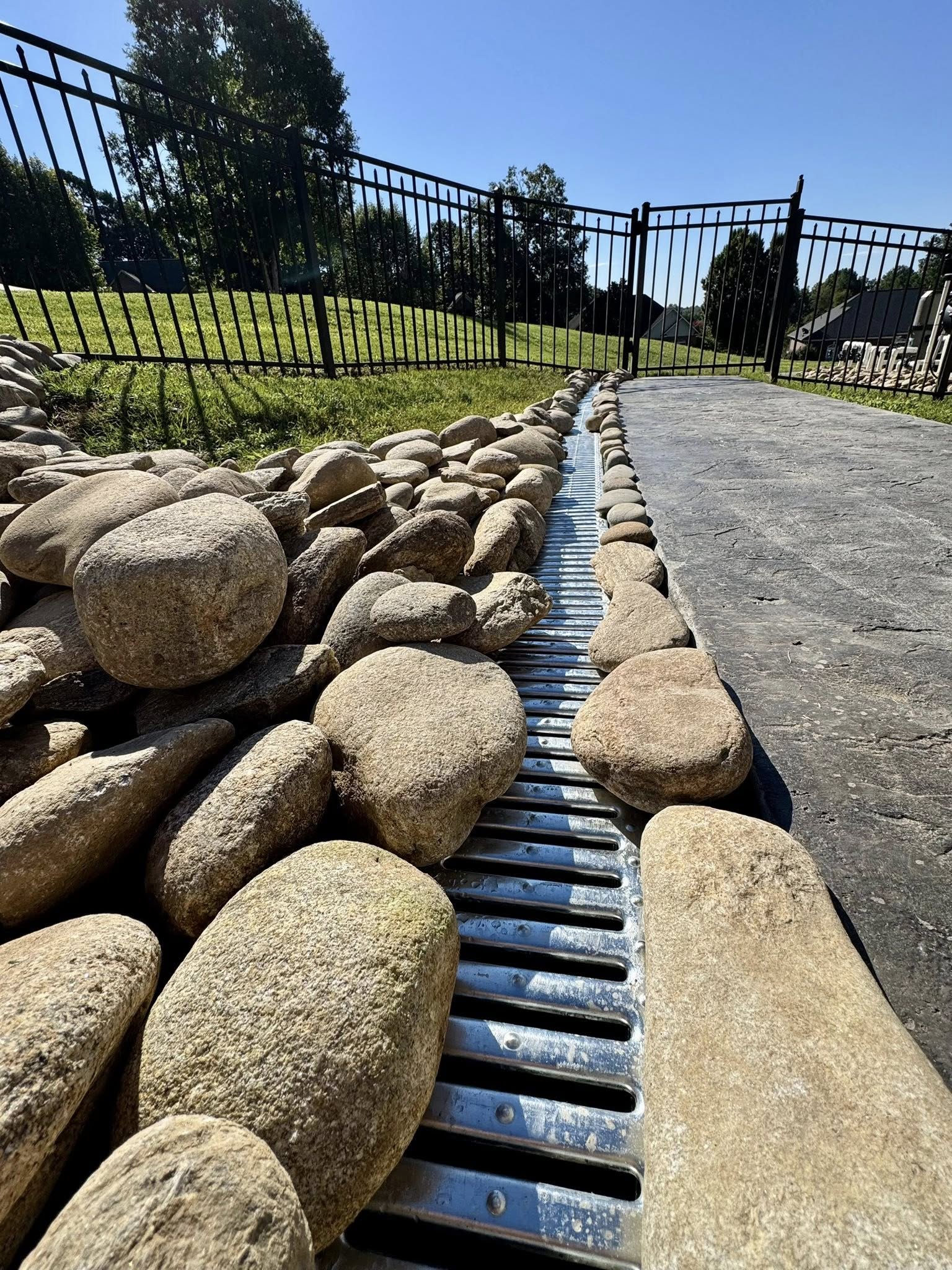
Strategic hardscaping can complement your biodiverse landscape. Thoughtfully placed stone paths, patios, and retaining walls can define spaces without disrupting the natural environment. At Quartz Creek, we recommend using materials that blend seamlessly with the natural landscape, creating an inviting and cohesive outdoor space. Furthermore, consider installing permeable pavers that allow rainwater to reach the soil underneath, reducing runoff and promoting groundwater recharge.
Water features, such as ponds or small fountains, are excellent additions that enhance biodiversity. These elements can attract a variety of wildlife, from birds to amphibians. A pond populated with native aquatic plants and fish supports a complex habitat, encouraging frogs and dragonflies to inhabit your backyard. If space is limited, a simple birdbath can also serve as a water source for many creatures.
Creating microhabitats in your garden can also play a significant role in fostering biodiversity. Leaving small areas undisturbed, such as a pile of rocks or a fallen log, can provide homes for insects, reptiles, and small mammals. These microhabitats are crucial for maintaining the ecological balance in your garden.
Maintenance practices should also be adjusted to preserve biodiversity. Avoid over-manicuring your lawn or beds, as this can displace wildlife habitats. Whenever possible, use organic fertilizers and natural pest control methods to minimize the detrimental impact on beneficial insects and soil microorganisms.
In conclusion, crafting a biodiverse landscape is an enriching endeavor that offers environmental and aesthetic benefits. By choosing native plants, incorporating diverse flora, integrating thoughtful hardscaping, and maintaining eco-friendly practices, you create a thriving ecosystem right in your backyard. At Quartz Creek, we are passionate about designing spaces that honor and enhance natural beauty, supporting biodiversity in sustainable ways. Reach out to us today to transform your landscape into a sanctuary for local wildlife while enhancing your property's charm.
/filters:no_upscale()/filters:format(webp)/media/78911e56-4592-4803-8ea7-3a1ee2ead6bc.jpeg)
/filters:no_upscale()/filters:format(webp)/media/06307680-1faf-4c6d-9534-fff3cba72fc1.jpeg)